Showing posts with label blueberries. Show all posts

Sunday, February 7, 2016

Dining-In: A Culinary Tour of America-Hilton Head Island, South Carolina


The Location: Hilton Head Island, South Carolina
2013 population: 39,412; 75.9% white, 14.3% Hispanic. Per capita income $46,661.

The first signs of life on Hilton Head Island date back 15,000 years, though not much is known about the peoples who lived there at the time. More recent tribes include the Escamacus and the Yemassee. The first recorded European to make contact with the native peoples of the island was Francisco Cordillo, a Spanish explorer, in 1521. The island has changed hands over the centuries, to various European occupiers.

By the 1700's, the island was used as land for plantations and growing cotton. The oldest structure still on the island, is the Baynard Mausoleum, built in 1846. During the Civil War, the Confederacy built several forts on the island, while the Union built an army hospital there. The Union also conscripted many male slaves from the island to fight on their side, and with their wages, they were able to return to the island after the war and buy land and homes there. The town of Mitchelville was the first town in the United States built solely for freed slaves.

Hilton Head Island is one of the coastal areas of South Carolina known for being home to Gullah culture. Gullah is a combination of English, Native American, and West African cultures, most of which revolve around the cultivation and harvesting of rice. The land in South Carolina is particularly conducive to growing rice, and West African nations were renowned for their rice, so slaves from those nations were particularly in high demand. Because of the way rice was grown and harvested, the slaves were granted a lot of "free time," with which they preserved their culture, which they have passed down along the generations, where it remains intact to this day. It is not only known for its culinary, musical, and artistic elements, but is also its own dialect of English as well.

During the World Wars, Hilton Head Island was used as a lookout for German and Axis submarines, and as a military base. The city itself was not incorporated until 1983, and today the island is mostly used as a vacation destination.

The Food: Shrimp and Grits, and Blueberry Peach Cobbler
Full disclosure: I assigned this menu to the state of South Carolina completely randomly. The dishes are so Southern that I had to use them at some point in time, and South Carolina became the location assigned to them because all the other states had been chosen for other things. I had no idea that Shrimp and Grits was a very important dish in Gullah culture, or that Hilton Head Island was part of it too. I was very lucky to have paired them up, and it makes me look far more clever than I really am!

Shrimp and Grits:
I looked at a lot of Shrimp and Grits recipes and most of them called for cheese of some sort being added to the grits. This is a pretty common way of making them. However, I am one of those old-school believers in the "You don't mix cheese and fish" rule. It just didn't sound good to me, personally, so I looked for recipes that didn't have cheese in it, and came across a couple good ones. I ended up using them as a base, and to find the proper proportion of dried grits to liquid, but basically invented the recipe from there. I also had a good conversation with a coworker that left me with some ideas to build on as well. Unfortunately, it's one of those recipes without proper measurements. I will, however, include the links to the recipes so you can study those if you'd like!

So, you may be asking yourself right about now, what is a grit? Here is a handy explanation of just exactly, what a grit is:

Grits are also known as polenta. Polenta is the Italian version of grits. Grits are just the more humble version...To make my grits, I started with the liquid I was going to add to them. I started with chicken stock and added a handful of shrimp shells I had frozen after another one of my blog meals earlier this year that involved shrimp. I think it was my gumbo, another Southern delicacy! I threw in a bit of onion and a couple garlic cloves and simmered it for a while. It ended up smelling really shrimpy! I was a bit nervous because it was sooo shrimpy. I love shrimp, but sometimes it can be too shrimpy, you know what I mean?

I used 1/4 cup of grits, which was an adventure to find at the store. Hint: Don't go to the breakfast aisle to look for them. They only seem to carry instant, and as we all know, those are an abomination before the Lord. So, I looked very carefully on the pasta aisle, but they only had tubes of the already cooked kind and that isn't what you want either. It was also not available in the bulk section of my store. Where did I finally find it? The baking aisle...with all the small bags of specialty flours and grains. Go figure!

Anyway, I added the grits to the boiling stock, which I had strained and measured to one cup, and it wasn't enough liquid. Thankfully I had more chicken stock so I threw it on the stove, turned it on high and squeezed in some lemon juice to flavor it. You have to add boiling liquid to the grits to properly cook them. Bit by bit, you pour in more liquid and stir well, until its as thick or thin as you want it to be. Grits can be creamy and soupy like Cream of Wheat or it can be thick and chewy like oatmeal. Sometimes people add cream or milk to it, but I didn't. I just added the stock and mine were more creamy and soupy.

For the shrimp, I had purchased frozen, already shelled and deveined shrimp. I thawed them out and threw it in a frying pan with olive oil and some roughly cut garlic. I would have taken more time to chop the garlic properly but I was on the phone when I was cooking so I couldn't spare an extra hand. I squeezed in lemon juice and sprinkled salt, pepper, and some cayenne pepper and just sauteed it all until it was cooked through. To serve, I poured the grits into a bowl and dumped the shrimp on top. And that was it!
The grits probably took close to a half hour to cook, so make sure to know that going into it. The shrimp only takes a few minutes so don't do that till the very end. I looked at some videos online of how to cook Shrimp and Grits, and most of them have gravy involved. None of the recipes I found had gravy, but that might have been a fun addition. Next time!

This dish was really interesting. The grits were soft and slightly chewy. They were highly flavored from the stock I used. The shrimp were also highly flavored and blended well with the grits. They were just slightly spicy which went well with the grits too. The only issue I had was texture. It was all very soft and I wish there had been some sort of crunchy element to it. I'm not sure what I'd do to adjust that, but I'll keep thinking about it. The flavors were almost bordering on too strong, so I might cut back on the salt next time. The lemon works really well in this, so don't skip that!

Blueberry Peach Cobbler:
This is another quintessential Southern dish, and I actually managed to find one of my own recipe cards for this one! Unfortunately I don't know the original source. A couple notes: It's really difficult to find peaches in Seattle this time of year. And by really difficult, I mean impossible. It's also difficult to find them in frozen form at an affordable price. And by also difficult, I mean impossible. So, for the second time in this blog project, I willingly turned to canned peaches. I did manage to find some that were not steeped in corn syrup, so I went with those. I drained and rinsed them well and continued on with the recipe as it is described. For the blueberries, it was pretty much the same story, though I did manage to find affordable frozen berries. I measured out the 10 ounces it called for and let them thaw out before making the cobbler. And for the buttermilk, if you don't have any on-hand and don't want to buy a pint just for the amount you need for this, try this: Mix one Tablespoon of lemon juice in a one-cup measure and fill up the rest of the cup with regular milk. Mix well and let sit for about five minutes. The lemon juice will sour and thicken the milk and it will simulate the buttermilk perfectly.
Here is the recipe:
Filling-
6 large peaches, about 3 lbs., peeled and cut into thin slices
1 pt.(10 oz.) blueberries
1/2 cup sugar(I reduced this down to 2 Tbsp. and it turned out just fine.)
1 Tbsp. flour
2 tsp. lemon juice
Pinch nutmeg
Biscuits-
2 cups flour
2 tsp. baking powder
1/2 tsp. baking soda
1/4 tsp. salt
2 Tbsp. sugar
3 Tbsp. butter, frozen
3/4 cup low-fat buttermilk
Topping-
1 Tbsp. milk
2 Tbsp. sugar combined with 1 tsp. cinnamon

Preheat the oven to 375 degrees. Prepare a 2-qt. casserole dish by coating with cooking spray.(I used butter.) Set aside.
Place the peaches, blueberries, sugar, flour, lemon juice, and nutmeg in a large bowl and combine well. Transfer to the casserole dish.
For Biscuits-In a large bowl, combine the flour, baking powder, baking soda, salt, and sugar. Grate the frozen butter into the flour mixture so that you start with very small pieces.(This sounds like an ingenious idea until you try it out with the three-sided grater and half of it gets stuck inside and pretty much melts before you can get it out again. I did the best I could and placed the plate of grated butter back in the freezer for a couple minutes, but I wasn't able to get all of it out of the grater. If you have a single sided grater, I would recommend using that instead.) Rub with fingertips until fully incorporated. Add the buttermilk and stir just until moistened.(I found I needed a little more buttermilk than it called for when I mixed it.)
Drop the batter on top of the fruit to cover as much as possible. Brush with the milk and sprinkle the cinnamon-sugar evenly over the top.
Bake for about 35 minutes or until the biscuits are done and the fruit is bubbling.
Makes 8 servings
309 calories, 5 grams fat, 5 grams fiber

 I found mine needed almost ten more minutes to bake until the cobbler was fully baked. To test them, you have to lift one up and look at the underside. If it's baked all the way through, it's good. If it's still wet, you need to cook it longer. Because of this, the tops of the biscuits were a bit hard. I wonder if I had left the milk and cinnamon-sugar to the very end and let it cook for just those last ten minutes, if it would have helped soften it at all. It might not, but it's worth a try for next time! If you eat ice cream or whipped cream, this definitely is something you'd want to eat it with. This was so good I ate two bowls of it last night! And it makes a lot so it's good for sharing with others. The original name of the recipe is Peach Cobbler with Light Biscuits, but because the blueberry ended up being the dominant flavor, I changed the name to reflect that. The canned peaches seem to have worked just fine in this dish, so it was a good choice that was also comparatively affordable.

I highly recommend both of these dishes. They required a bit of work but weren't difficult to prepare at all. Shrimp and Grits is a true Southern dish. Southern cuisine, I have learned over the course of this project, is one of the most blended cuisines I have ever seen. English, African, French, Caribbean, Native American, and Latino all blended together into something unique and so very American. It is the perfect embodiment of the term "melting pot". Do give it a try sometime!

Sources:
City Map

City Stats

City Pic

City History1

City History2

City History3

Shrimp and Grits History

Gullah Culture Video1

Gullah Culture Video2

Shrimp and Grits Recipe1

Shrimp and Grits Recipe2


Sunday, November 1, 2015

Dining-In: A Culinary Tour of America-Hallowell, Maine

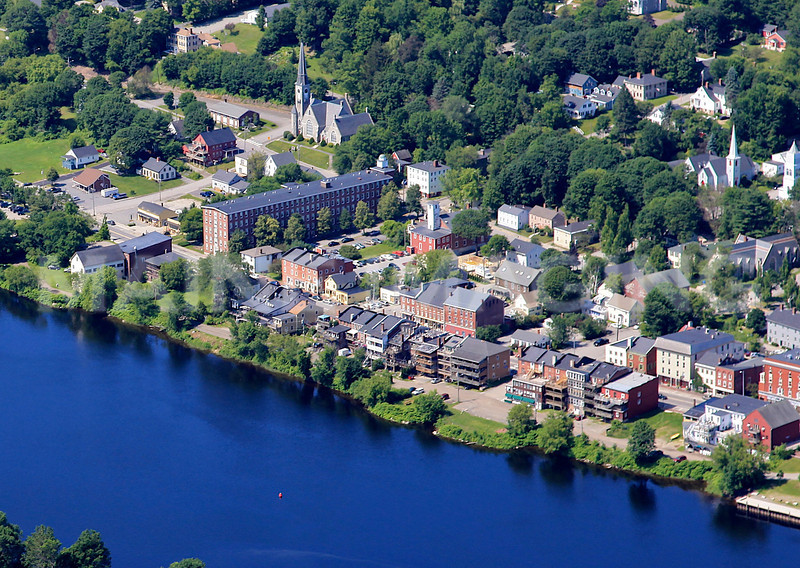
The Location: Hallowell, Maine
2013 population: 2,343 people; 94.6% white, 1.6% two or more races. Per capita income: $35,148.

Prior to the European invasion, the land around Hallowell was home to the Penobscot, or Panawahpskek, tribe. Hallowell was named for Benjamin Hallowell, a merchant from Boston. It was originally part of the city of Augusta, but it became its own town when Augusta broke off from it in 1797. The entire area was a part of the state of Massachusetts to begin with, but in 1820, Maine seceded from Massachusetts, and became its own state.

From 1815 to 1908, granite was the major industry for Hallowell. Ice was also a large part of their economy. Today, though, the city is known for its antique shops and pubs. For the most part, Hallowell has been a town relatively untouched by the major events of American history, though they did send many men to fight for the Union during the Civil War. The city today leans more liberal, in terms of politics, as it did then. Many people joined the war in order to help abolish slavery.

Why Hallowell? Because it's Halloween, of course! What a perfectly named city for this holiday!

The Food: A Duo of Desserts
I haven't done an all dessert post since Washington state's trio of apple desserts. Maine has a lot of seafood dishes it's known for, but as with last week with Maryland, there are so many kinds of seafood I don't eat that it wasn't very practical for me to feature them. This meant I had to get a bit more creative. With the fact that I would be doing this on Halloween, I decided to go in the dessert direction. Maine is also known for blueberries, and I opted for a recipe that heavily featured blueberries in their honor. Further research revealed a dish I have heard of, but never tried. I knew this was the time to try it!

First up is a recipe I found in my own collection. It comes from the Taste of Home magazine, unknown date.
Blueberry Oat Cake
2 eggs
2 cups buttermilk
1 cup packed brown sugar(I used 1/2 cup brown sugar and 1/2 cup unsweetened applesauce and I think it turned out just fine)
1/2 cup vegetable oil
2 cups flour
2 tsp. baking powder
1 tsp. baking soda
1 tsp. cinnamon
1/2 tsp. salt
2 cups quick-cooking oats
2 cups fresh or frozen blueberries, unthawed
1 cup chopped walnuts(I used pecans because they are naturally sweeter in taste than walnuts), optional
Powdered sugar

In a mixing bowl, beat the eggs, buttermilk, brown sugar(and applesauce, if using) and egg. Combine the flour, baking powder, baking soda, cinnamon and salt; add to batter. Beat on low speed for 2 minutes(or by hand, which is what I did). Fold in oats, blueberries and walnuts(or pecans), if desired.
Transfer to a greased and floured 10" fluted tube pan(Bundt cake pan). Bake at 375 degrees for 45-50 minutes or until a toothpick comes out clean.(Note, this cake is way too thick for a toothpick to do any good. I used a bamboo skewer since it was long enough to get to the bottom.) Cool for 10 minutes before removing from pan to a wire rack to cool completely. Dust with powdered sugar.
Makes 12-16 servings
This is what happens when you didn't see the part about flouring the cake pan until you just typed up this recipe 30 seconds ago, and try to remove it while it's still too hot. This was a literal hot mess, but it tasted good. I was able to dislodge the top half of the cake and sort of put it back together, but unfortunately it definitely crumbled when I cut pieces from it. Again, the flavor was fantastic and I'm sure if I'd floured the pan and had let it cool longer than the 10 minutes it called for, it would have done better. I have used my Bundt pan many times and have rarely had this bad of an issue.

Next up, a New England staple called Indian Pudding. I don't know about you, but I am not necessarily comfortable eating a dish with the word "Indian" in it, when it isn't actually Indian food. This dish has an interesting history. In England, it is made with wheat and is known as Hasty Pudding. You may have heard of this. It's pretty well-known, and even has its own club. When people started traveling to the New World, they discovered new ingredients, such as corn, that when dried and ground, was a grain that could be used in a variety of ways. The Europeans referred to it as "Indian meal," and from there comes the name of this dish.

I would argue that Indian Pudding is one of the first, if not the first Americanized recipe. Or to be even more historically-accurate, the first New Englandized recipe. America, of course, wouldn't be in existence for a little while longer. Taking a well-known recipe from England and substituting ingredients available in the New World, though in a very simple and humble dish, was the beginning of what would become American food culture.

If I was to rename this dish, I would propose calling it "Yankee Pudding," because it refers to the region in which it was invented, and acknowledges its American-ness. Though we were introduced to corn from the Native Americans, they never ate it in this form.

The recipe I used is from the internet, but I will type it out here, along with any changes or notes of my own.

Maine Indian Pudding
2 cups milk
1/4 cup cornmeal
1/2 cup milk, cold(Note, the website lists this as 1/4 cup, but the instructions say 1/2 cup. I used 1/2 cup, so I changed the quantity in this section to match because it was confusing otherwise.)
1/2 cup dark molasses, not blackstrap(I am not the biggest fan of molasses. I cut this down to 1/4 cup and did 1/4 cup of raisins to give it additional sweetness. I still found it to be overwhelmingly sweet and if I was to do this again, I would probably have cut it down to 1/8 cup, which is 2 Tablespoons of molasses and the rest raisins. With molasses, a little really does go a long way.)
1 tsp. salt(Because I did cut down on the amount of molasses, the salt came through a bit more than it should have. If you reduce the quantity of molasses, I would cut the amount of salt in half.)
1/4 cup sugar
1 tsp. cinnamon
4 Tbsp. butter
1 3/4 cups milk, cold

*Scald 2 cups of milk in a double boiler.
*Mix the cornmeal and 1/2 cup cold milk until smooth. Stir into the hot milk and cook over the hot water for 20 minutes, stirring frequently.(When you do this, you will be wondering what, if anything, is happening with your mixture. The milk will get frothy as you stir it but not much will change until about the last 5 minutes when it starts to thicken. Just keep faith in what you're doing and know that it will turn out ok in the end.)
*Add the molasses, salt, sugar, cinnamon, and butter; mix well.
*Pour into a buttered dish.
Pour the last 1 3/4 cups cold milk over the top of the pudding.
*Bake at 250 degrees for three hours(I started this about 4.5 hours before I wanted to serve it. The dish is based on something called Hasty Pudding, which is ironic, because it takes hours to prepare. Go figure!) Remove from oven and let sit for 30 minutes. Serve with ice cream or whipped cream, if desired.
Makes 4-6 servings.


As you can see, the cake was better-looking once I dug the top half out of the pan. It's just a facade though, it's definitely a chunky cake. The pudding is really interesting. The milk poured on the top sort of soaks into the pudding and also evaporates and creates a skin. Normally I don't like skin on pudding, but this was different. Because of the sugar and molasses, it was almost like the top of a burnt creme where you have to break through the caramelized sugar topping. It provided the majority of the texture. The rest of the pudding is very soft, but that gave you something to bite into and chew. The raisins also were really good in this. And not only is this something that doesn't call for a lot of cornmeal, which means your cornmeal goes a long way, it's also properly gluten free! So, all you gluten free eaters can partake of this and not worry about it! I cannot vouch for using an alternate non-dairy milk. It may or may not turn out the same. Try that out at your own risk, but do let me know if it works for you!


I really liked both of these desserts. Even though the pudding was a bit too molasses-ey for my tastes, it was still tasty. It was cool to use cornmeal in a completely different way too. I have used cornmeal a lot in this project. It's a New World ingredient after all, so it should feature highly in a project about American cuisine. For some reason, the pudding evoked images of the past. You can feel the history in it. The cake was delicious as well, but a much more straight-forward dessert. Both of these also make a lot. These would be good for groups. I had enough for tasting tonight, and to try tomorrow, and still had enough to share with my parents, my grandparents, and still have enough of the blueberry cake to take to work on Monday to share with my coworkers! You should definitely give these recipes a try!

Sources:
City Info

City Pic

City Map

Indian Pudding Recipe

Indian Pudding History

City History